Why the Fiddler Crabs Matter More Than They Look
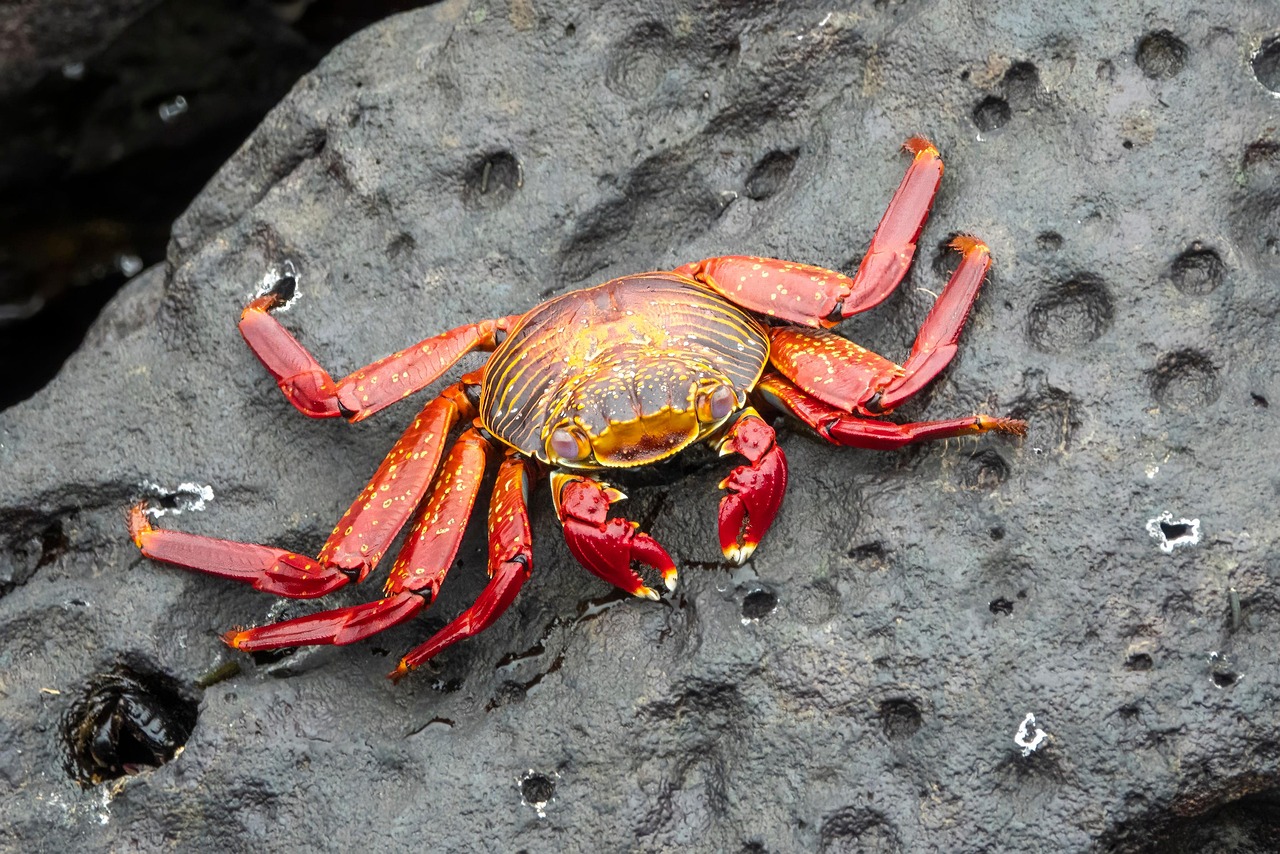
If you have ever walked a low-tide mudflat in late summer, you have probably seen them: hundreds of small crabs, each one waving a single oversized claw like a conductor asking for silence. The gesture looks comical, almost vaudevillian. But there is nothing frivolous about it. That wave is a signal, a warning, and a courtship all at once, and the crabs themselves are doing work that the entire marsh depends on.
Fiddler crabs are named for the male's enlarged claw, which he uses to attract mates and to threaten rivals. The females have two small claws and go about their business with a purpose that the males, locked in their displays, often seem to lack. Both sexes live in burrows they dig into the soft sediment, and those burrows are the beginning of the story.
The Burrow as an Ecosystem
A fiddler crab burrow is not just a hole. It is a ventilation shaft, a moisture reservoir, and a microbial reactor. The crab's digging turns over sediment, aerates it, and mixes in organic matter that would otherwise sit undisturbed. This bioturbation, as ecologists call it, changes the chemistry of the mud in ways that ripple outward. Sulfur compounds get oxidized. Nutrients become available. The microbial community shifts. The marsh's productivity, in a very real sense, starts in these tiny excavations.
The crabs are also food. Herons, egrets, raccoons, and a host of other predators depend on them. When fiddler crab populations decline, the effects travel up the food web with a speed that surprises people who assumed the crabs were too small to matter. Nothing in a marsh is too small to matter. That is one of the first lessons the place teaches, and it is one that we keep having to relearn.
Reading the Wave
Spend a few minutes watching a fiddler crab colony and you will start to notice patterns. The waving intensifies when a predator approaches. The crabs retreat to their burrows in a wave that moves across the flat like wind across a field. A single shadow from a passing gull can trigger a stampede. The whole colony functions as a kind of distributed nervous system, each crab a sensor, each burrow a node.
It is tempting to call this behavior simple, but that is only because we do not have the sensory equipment to appreciate it. The crabs are reading a world of chemical signals, vibrations, and visual cues that we can barely detect. Their lives are not lesser versions of ours. They are different, complete, and entirely their own.
The next time you walk a mudflat and see the waving, stop for a moment. You are watching one of the oldest and most successful ways of making a living on the coast. And you are watching the marsh feed itself, one tiny claw at a time.