The Unsung Filter: How Oysters Clean Coastal Waters
An oyster is not a pretty animal. It is a rough, gray, lumpy shell cemented to a rock or to other oysters, and it spends its entire adult life in one place. But that unassuming creature is one of the most powerful water-treatment systems in the natural world. A single adult oyster can filter dozens of gallons of water a day, pulling out algae, sediment, and excess nutrients. A reef made of thousands of oysters can clarify an entire bay.
Before overharvesting, disease, and pollution devastated them, oyster reefs were a dominant feature of estuaries along the Atlantic and Gulf coasts. They were so abundant that they posed hazards to navigation. Ships ran aground on them. They were part of the coastline the way trees are part of a forest. Today, in many places, they are gone or reduced to a fraction of their former extent.
The Reef as an Ecosystem
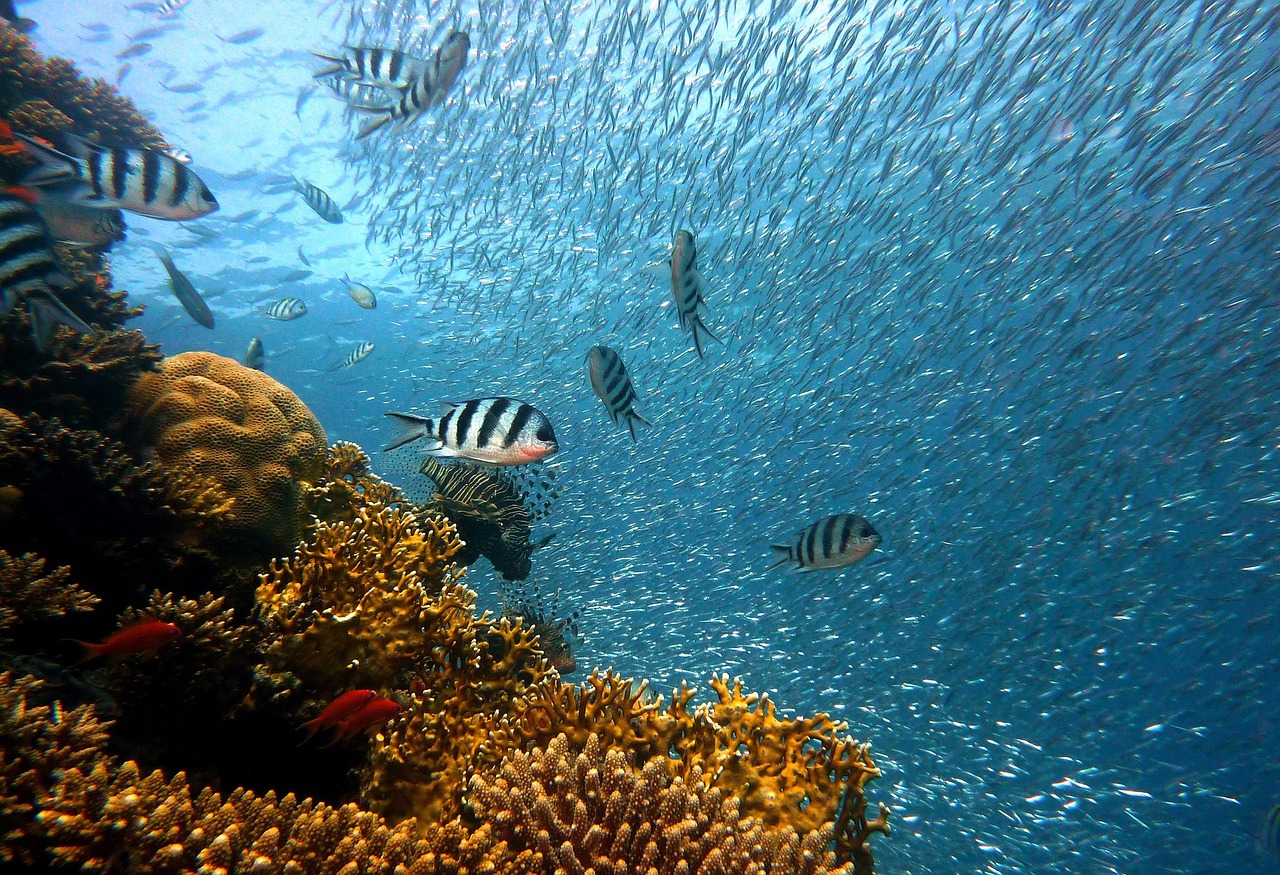
Oysters do more than filter water. They build structure. A healthy oyster reef is a three-dimensional maze of shells and crevices that provides habitat for dozens of species. Small fish hide there. Crabs scuttle through the gaps. Barnacles and mussels attach to the shells. Sea anemones and sponges grow in the sheltered spaces. The reef is a city, and the oysters are both the architects and the janitors.
The filtering itself is remarkable. Oysters feed by pumping water across their gills, which trap particles too small for the naked eye. They digest the algae and other organic matter and expel the rest as pseudofeces, which settles to the bottom. In the process, they remove nitrogen and phosphorus — the same nutrients that cause algal blooms and dead zones. They also remove suspended sediment, which improves light penetration for underwater grasses.
When oyster reefs disappear, the water loses its filter. Algae blooms more often. Turbidity increases. Underwater grasses die back. The entire estuary becomes less clear, less healthy, and less productive. The loss of oysters is not just a loss of a fishery. It is a loss of a function that the ecosystem cannot easily replace.
Bringing Back the Reef
Oyster restoration has become one of the most active areas of coastal conservation. Projects range from small-scale community efforts to large, multi-agency initiatives. The basic approach is simple: provide hard substrate — often recycled oyster shells or limestone — where oyster larvae can settle and grow. In some cases, researchers plant hatchery-raised oysters. In others, they simply create the conditions for natural recruitment.
The results can be dramatic. In places where reefs have been rebuilt, water clarity improves. Fish and crabs return. The reef becomes a living breakwater, absorbing wave energy and reducing erosion. And because oysters are a favorite food, restored reefs can support sustainable harvests if managed carefully.
But restoration is not a one-time fix. Oysters are vulnerable to disease, sedimentation, and poor water quality. They need clean water to survive, which means addressing the pollution that flows off the land. They need stable substrate, which means preventing the dredging and anchoring that destroy reefs. They need time. An oyster reef does not grow overnight. It is a long-term investment in the health of the coast.
I like to think of oysters as the quiet workers of the estuary. They do not sing or soar or bloom. They just filter, day after day, turning murky water into something clearer. Bringing them back is one of the most hopeful things we can do for the coast.