The Birds That Return on Schedule
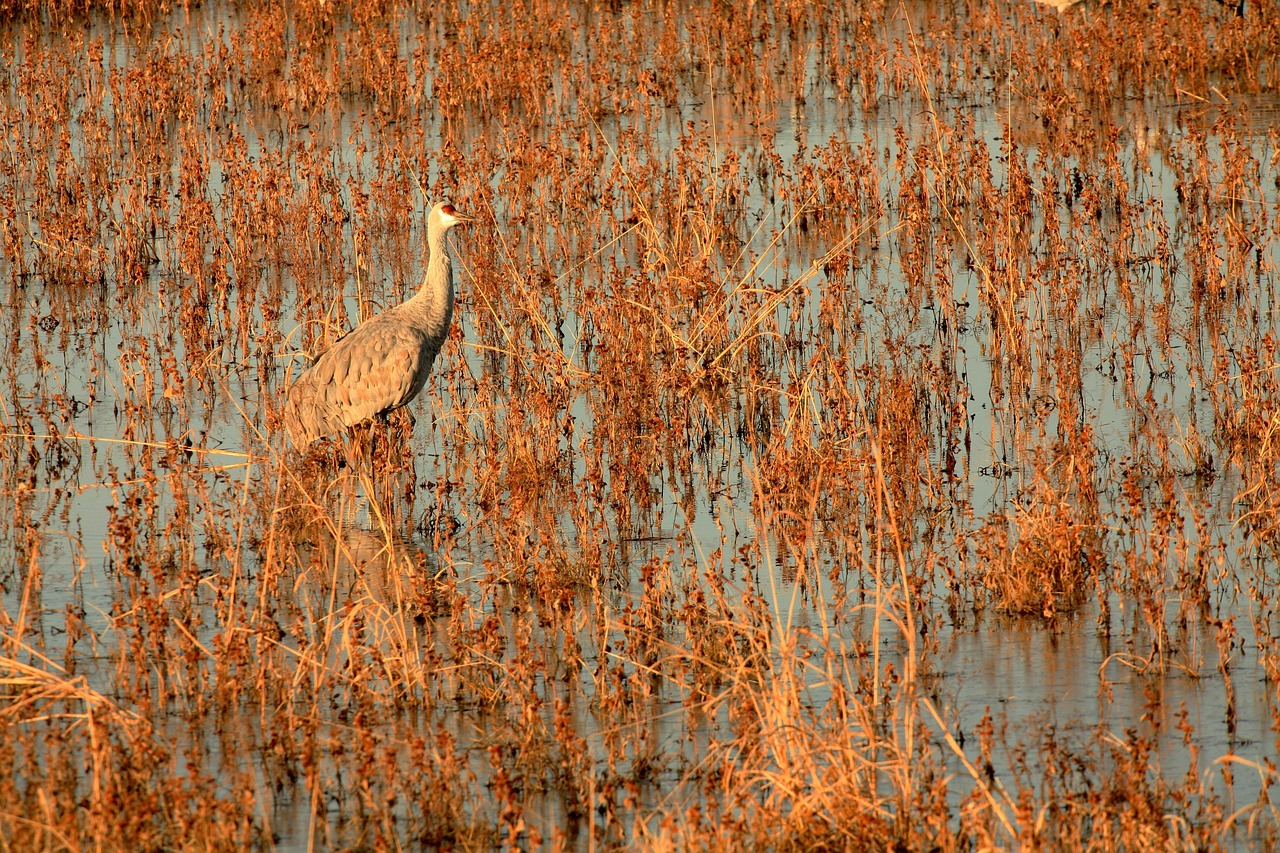
Every year, at roughly the same time, the birds come back. Not all of them, and not always to the same place, but enough of them that the marsh becomes a different kind of place for a few weeks. The shorebirds arrive first, then the waterfowl, then the raptors that follow the waterfowl. The whole sequence has the feel of a tide, and like a tide it is driven by forces far larger than the marsh itself.
Migration is one of the most astonishing phenomena in the natural world, and it is also one of the most fragile. A bird that flies thousands of miles between its breeding grounds and its wintering grounds depends on a chain of stopover sites, each one providing food and rest at exactly the right moment. Break one link in the chain and the whole journey can fail. Coastal wetlands are among the most important links, and they are among the most threatened.
The Marsh as a Refueling Station
When a shorebird lands on a mudflat after a long flight, it is not there to rest in the way we think of rest. It is there to eat, often frantically. The invertebrates in the mud, the small crustaceans and worms and mollusks, are exactly the kind of high-energy food that a migrating bird needs to rebuild its fat reserves. A single mudflat can support thousands of birds at once, each one probing and picking in its own particular way, and the whole flat can seem to be in motion.
This is why the loss of even a small wetland can have outsized consequences. It is not just the birds that breed there or winter there. It is the birds that pass through, relying on a place they may visit for only a few days each year. A marsh that is filled in April is a marsh that is missing in September, and the birds that needed it will not find another one in time.
Watching the Calendar in the Sky
There is a particular pleasure in learning the migration calendar of a place. It takes years, and it is never complete, but it is worth doing. You start to notice that the first osprey always appears within a few days of a certain tree leafing out. You learn that the yellowlegs arrive just before the first cold front, and that the green-winged teal come with the front itself. You begin to see the marsh not as a static backdrop but as a stage that is constantly being reset.
This kind of attention is not just a hobby. It is a form of stewardship. The people who know when the birds come are the people who will notice when they stop coming. And in a world where so much of the natural calendar is being disrupted, that noticing may be one of the most valuable things we can do.
The birds will return again next year, or they will not. The marsh will be here, or it will not. The two are more connected than they look, and the connection runs both ways.