The Marsh That Breathes: How Tides Shape Everything
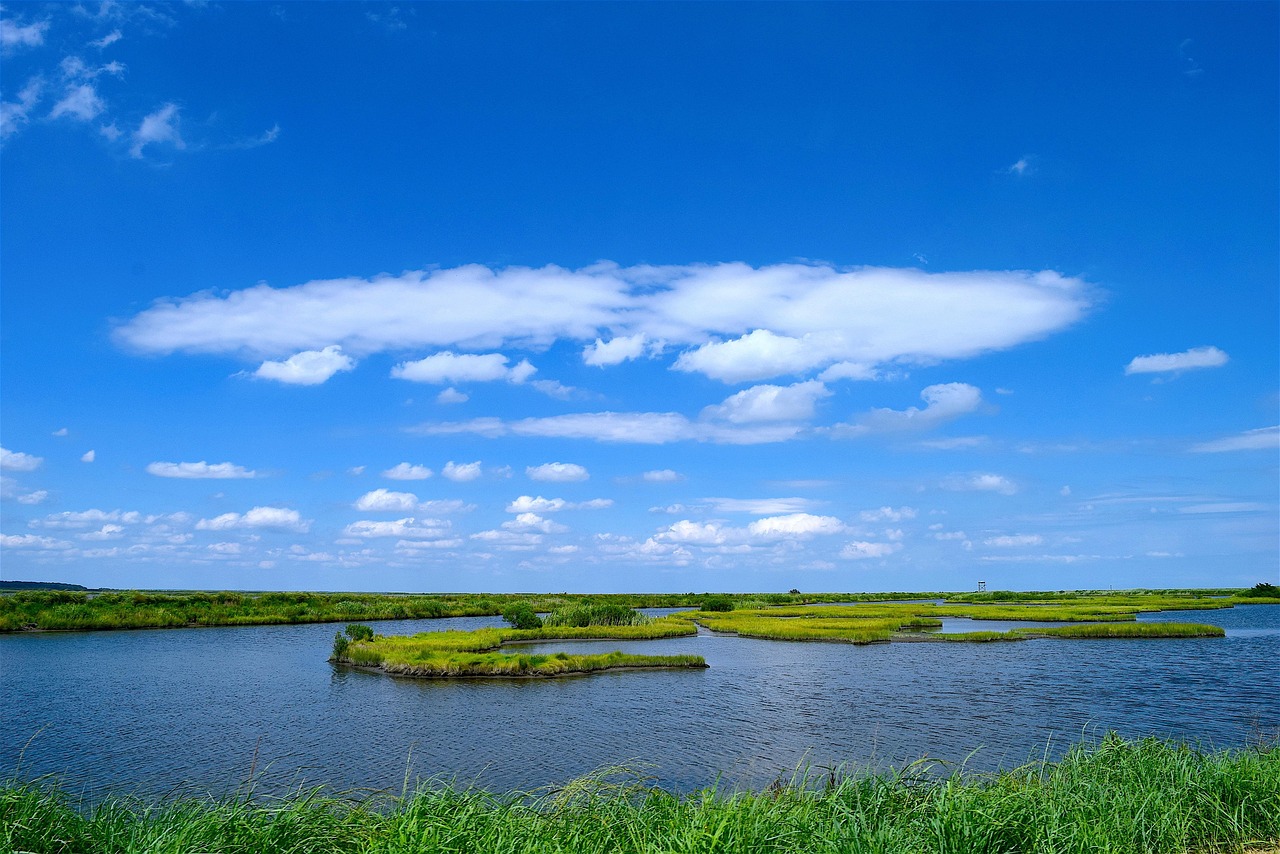
Stand at the edge of a salt marsh long enough and you stop thinking of it as a place. You start thinking of it as a lung. The tide comes in, threading through the spartina and the mud channels, and the whole system swells. Then it pulls back, and the marsh deflates, exposing mudflats slick with water, the smell of sulfur and salt rising like something alive exhaling.
Nothing here is static. The plants that look so permanent in a photograph are actually holding on by their roots against a force that rearranges the landscape twice a day. Smooth cordgrass, the backbone of so many Atlantic and Gulf marshes, has evolved to tolerate being drowned in salt water and then left to bake. Its roots push oxygen down into mud that would suffocate most plants. It is not a passive resident. It is an engineer, and the tide is its clock.
A Landscape Measured in Hours, Not Years
When people talk about marsh loss, they usually talk in acres per year or in decades. Those numbers matter, but they can hide the fact that the marsh is being remade on a much shorter schedule. Every high tide deposits a film of sediment. Every low tide exposes that sediment to air and sun. Over a season, that thin film adds up. Over a century, it can mean the difference between a marsh that keeps pace with rising seas and one that drowns.
The animals here read the tide the way we read a clock. Fiddler crabs emerge from their burrows when the water pulls back and retreat when it returns. Ribbed mussels cluster at the base of cordgrass stems, filtering water during flood tide and clamping shut when the marsh drains. Small fish that spend their adult lives offshore ride the incoming water into the marsh to feed and hide, then slip back out on the ebb. The whole community is choreographed around a cycle most of us never notice unless we live near the coast.
What the Tide Brings and What It Takes
The tide is not just water. It is a delivery system. Nutrients flow in from the ocean and out from the land. Larvae of oysters and crabs drift in and settle. Seeds of marsh plants float in on the surface and lodge in the mud. Detritus — the dead and decaying plant matter that the marsh produces in astonishing volume — is flushed out to estuaries, where it feeds the food web that supports shrimp, blue crabs, and the fish we like to eat.
But the tide also takes. It erodes creek banks. It carries away sediment when storms strip the marsh of its protective vegetation. In places where people have hardened the shoreline with seawalls and bulkheads, the marsh can no longer migrate inland as sea levels rise. It gets squeezed between rising water and concrete, and eventually it disappears.
I think about this every time I watch the water slide back into the creeks. The marsh is not a painting. It is a process, and the tide is the hand that keeps it moving. If we want to keep the marsh, we have to let the tide do its work — which means giving it room, keeping our structures out of its path, and paying attention to a rhythm that operates on a schedule older than any of us.